
"G5 G4"
300 article(s) found

A brief introduction to the planting environment in Shaqiso producing area of Ethiopia in the field of fine coffee
A brief introduction to the growing environment of boutique coffee in Shaquiso, Ethiopia (Shakisso), located in the southern part of Guji and Oromia, close to Sidama and Gedeo. There are many pits in this area, which were used to mine gold in the early days, so there are many potholes in this coffee growing area. This allows people to walk between coffee growing areas

What are the characteristics of Sidamo coffee flavor sharing of hand-made Sidamo coffee
Professional coffee knowledge exchange more coffee bean information please pay attention to the coffee workshop (Wechat official account cafe_style) front street Sidamo coffee hand brewing characteristics introduction Sidamo producing area: (Sidamo)-one of the most famous coffee producing areas in Ethiopia, 1400m above sea level, Mustang 1700m above sea level, raw beans are washed and sunburned. The quality of washed beans is stable, sour and clean. Sun-dried beans

Introduction to the method of Grinding and Calibration for describing the Flavor of Coffee Manor in Ethiopia
Yega Xuefei's coffee trees were planted by monks in Europe and later transferred to farmers or cooperatives. Yega Xuefei is actually constructed by the surrounding coffee communities or cooperatives, including: Hafusha, Hama, Biloya. These mountain villages are foggy, like spring all the year round, with a gentle breeze in summer, cool but not hot, rain but not damp, and unique in winter.
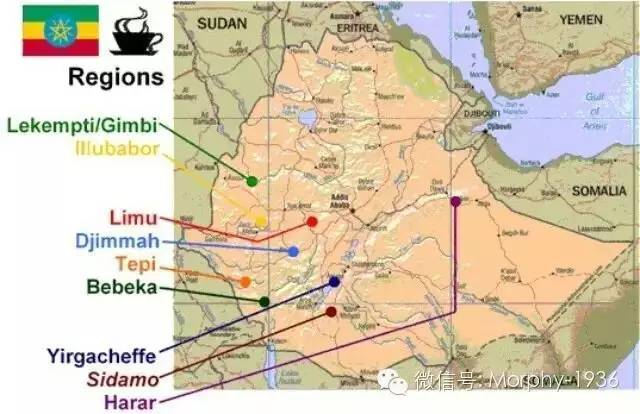
Introduction of boutique coffee beans Ethiopian coffee
Ethiopia is the hometown of Arabica coffee, and it is in the forests of Kaffa that you can see wild Arabica coffee. In Ethiopian, coffee is called Bun or Buna, and coffee beans (coffeebean) may be translated from Kaffa Bun. Arabica coffee was discovered early in the Harald area, probably from Kafa.

Flavor characteristics of Ethiopian Fine Coffee Ethiopian Coffee
Ethiopia is the hometown of Arabica coffee, and it is in the forests of Kaffa that you can see wild Arabica coffee. In Ethiopian, coffee is called Bun or Buna, and coffee beans (coffeebean) may be translated from Kaffa Bun. Arabica coffee was discovered early in the Harald area, probably from Kafa.

Introduction to the Variety characteristics of Coffee Flavor description treatment method in Yega Ficher Manor, Ethiopia
Yega Chuefei Cochel Manor introduces Yega Chevy Coffee, which seems to be more blessed with favorable conditions. it has a floral aroma, bright citrus acidity, lemon flavor and soft taste. Kochere Cochrane is located in the southwest of Ethiopia, about 25 miles to the north, that is, the famous Yega Chenophen. The mode of production is small-scale production.

Flavor characteristics of Java coffee beans in Indonesia _ how much is Java java coffee beans _ where can I buy Java coffee beans
Professional coffee knowledge exchange more information about coffee beans please follow the coffee workshop (Wechat official account cafe_style) Indonesia, the country of the Thousand Islands, is the country with the largest number of islands in the world. When it comes to Indonesia, the most familiar is probably the resort island of Bali. Today, Xiao Le would like to introduce Java coffee in Indonesia. The wind of Indonesian coffee

What are the functions of Arabica coffee
Following caf é (Wechat official account vdailycom) found that Beautiful Caf é opened a small shop of its own Ethiopia is the hometown of Arabica coffee, it is in the forests of the Kaffa region that you can see wild Arabica coffee. In Ethiopian, coffee is called Bun or Buna, and coffee beans (coffeebean) may be turned from Kaffa Bun
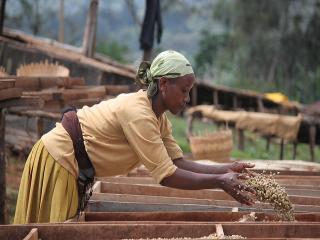
Description of the characteristics and flavor of the standard varieties of Yejiaxuefei coffee beans the taste of hand-brewed coffee in Yega Xuefei producing area
For the exchange of professional baristas, please follow the coffee workshop (Wechat official account cafe_style). In recent years, there are many emerging small producing areas or cooperatives in the producing areas of Sidamo and Yegashev, Ethiopia, which will be sold in the international market under the name of their own cooperatives or farms, which means that for their own coffee.

Description of Coffee Flavor in Yega Fichel Manor; introduction to the characteristics of varieties and producing areas
Kochere Cochel is located in southwest Ethiopia, 25 miles to the north is the famous town of Yega Chefen, the production mode is mainly based on local small farmers to send the output batches to the cooperative for unified treatment. About 100000 people in the local village of Chalalacktu depend on coffee for a living, and related production activities become him.

Mixed coffee made by hand in autumn | coffee beans made by hand [Ethiopian washing Cochel]
Professional coffee knowledge exchange more coffee bean information please follow the coffee workshop (Wechat official account cafe_style) autumn hand-mixed coffee | hand-made coffee beans [Ethiopian washing Kocher] brief introduction? What are the flavor characteristics? Cochel producing area is located in Yega Sheffield, Ethiopia. The grades of washed raw beans are G1 and G2, sun-dried raw beans, etc.

Flavor description of Ethiopian Coffee Manor introduction of High-quality Coffee beans in producing areas
In February 1977, Lieutenant Colonel Mengistu Haier Maryam (MENGISTU HAILE MARIAM) launched a military coup and served as Chairman of the interim military Administrative Council and head of State. In 1979, the Ethiopian Labor people's Party Organization Committee, dominated by soldiers, was established to implement an one-party system. In 1984, the Ethiopian Workers' Party was formed according to the Soviet Communist Party model. Mengistu, September 1987

Introduction to the flavor description of sweet and sour Ethiopian coffee beans, the characteristics of taste and quality, grinding scale
Ethiopian coffee variety flavor description, taste and quality characteristics grinding scale introduces exactly how many Arabica subspecies there are in Ethiopia, even the official research unit of Ethiopia does not know. The coffee cooperatives in this mountain are certainly different from those planted in another mountain, and even small farmers in the same region grow different varieties of coffee. Some estimate that Ethiopian coffee is at least

Flavor description of Ethiopian Sidamo Lion King Coffee beans introduction to the taste of grinding scale varieties
Flavor description of Ethiopian Sidamo Lion King Coffee is Ethiopia's most important export cash crop and a major source of foreign exchange earnings. Ethiopia's coffee exports account for about 3% of the world market, making it the eighth largest coffee exporter in the world. Coffee exports increased steadily from 58000 tons in 1990 to 1995-1996.
Introduction to Ethiopian Coffee, the hometown of Arabica Coffee
Ethiopia is the hometown of Arabica coffee, and it is in the forests of Kaffa that you can see wild Arabica coffee. In Ethiopian, coffee is called Bun or Buna, and coffee beans (coffeebean) may be translated from Kaffa Bun. Arabica coffee was discovered early in the Harald area, probably from Kafa.

The causes and characteristics of the desolation of coffee forests in Ethiopia an introduction to the grinding scale of manor production areas
The reasons for the desolation of coffee forests in Ethiopia; the grinding scale of manor production areas; Getachew Mengistie, director of the Ethiopian Bureau of intellectual property, bluntly pointed out that farmers sell raw beans for $1.45 per pound, while Starbucks sells for $26 per pound in the United States, an 18-fold difference between the two places. The reason is that Ethiopia does not know to use intellectual property rights to create for farmers.

Ethiopian coffee introduction Ethiopian coffee beans exquisite coffee beans and introduction
Ethiopia is the hometown of Arabica coffee, and it is in the forests of Kaffa that you can see wild Arabica coffee. In Ethiopian, coffee is called Bun or Buna, and coffee beans (coffee bean) may be translated from Kaffa Bun. Arabica coffee was discovered early in the Harald area.

A brief introduction to boutique coffee and Ethiopian coffee
Ethiopia is the hometown of Arabica coffee, and it is in the forests of Kaffa that you can see wild Arabica coffee. In Ethiopian, coffee is called Bun or Buna, and coffee beans (coffee bean) may be translated from Kaffa Bun. Arabica coffee was discovered early in the Harar area, probably from the card.

Introduction to the regional treatment method of taste production in BISHAN flavor description of hambela Manor in Ethiopia
Introduction to the Regional treatment method of BISHAN Flavor description of hambela Manor in Ethiopia in Ethiopia, the grading and quality control system of coffee is divided into three levels: producer, regional and national. All coffee is inspected by local inspection agencies before leaving the country of origin, and then re-inspected at the coffee inspection and grading centers in Addis and Diredawa to determine its quality, etc.

Ethiopian Coffee introduction Coffee beans Coffee processing Coffee Flavor Ethiopian Coffee details
Ethiopia is the hometown of Arabica coffee, and it is in the forests of Kaffa that you can see wild Arabica coffee. In Ethiopian, coffee is called Bun or Buna, and coffee beans (coffeebean) may be translated from Kaffa Bun. Arabica coffee was discovered early in the Harald area, probably from Kafa.